- info@kcih.pk
- 051-4850480 | 0339-4850480
Khatna, also called suntain or sunnat, is known as circumcision in English. It is a small operation in which a surgeon removes the foreskin, the loose skin that covers the tip of your son’s penis. In Pakistan most boys have it in the first months of life, for religious and hygiene reasons. The operation usually takes less than 30 minutes, and the wound heals in about 7 to 10 days.
This guide covers the two main methods, the best age, what happens on the day, how to look after the wound at home, and the signs that mean your son needs to be seen again. It is written and checked by the pediatric surgery team at Kids Care International Hospital (KCIH), Rawalpindi
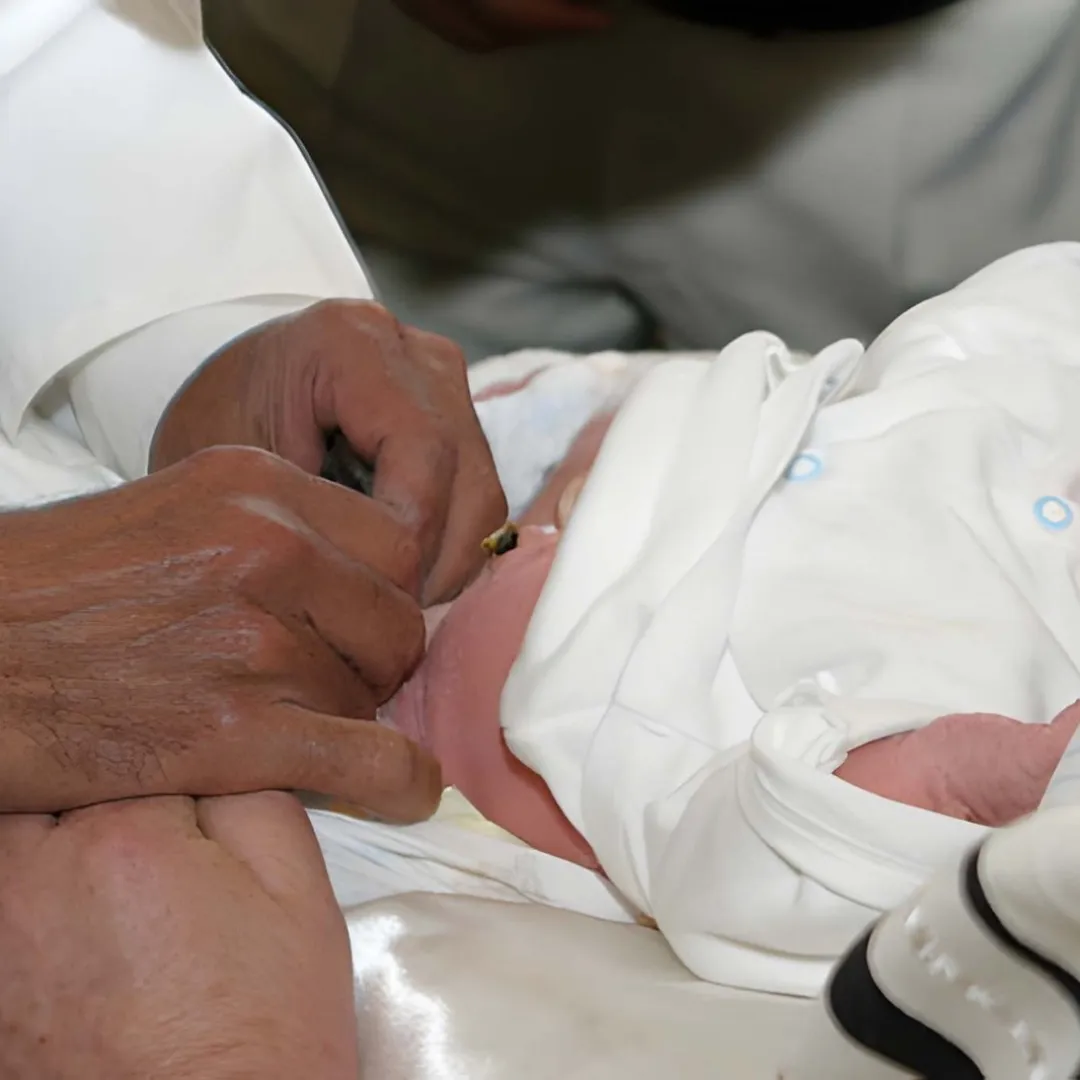
For Muslim families, circumcision is a sunnah that goes back to Prophet Ibrahim (AS). Islam does not fix an exact age. Many families in Pakistan choose the first weeks or months of life, and some wait until their son is a few years old.
There are health reasons too. A circumcised baby is less likely to get a urine infection in his first year. Circumcision also removes the chance of a tight foreskin and repeated foreskin infections later in life, and it makes keeping clean simpler as your son grows up.
This is the method most parents mean when they say ring wali khatna. The surgeon slips a small plastic ring under the foreskin, ties a thread around it and trims the extra skin. The skin beyond the thread dries out, and the ring drops off by itself, usually within 5 to 10 days. There are no stitches to take out.
The ring method works best in newborns and young babies. As babies grow, the foreskin gets thicker and they move more, so for older babies the surgeon will decide between the ring and the open method based on your son’s size.
The surgeon removes the foreskin with fine instruments and closes the edge with stitches that dissolve on their own over 2 to 3 weeks. Nothing needs to be removed later. This method is used for older babies and children, for boys who have a medical reason such as a tight foreskin, and whenever the ring is not suitable. Young children usually have it under general anaesthesia, which means they are fully asleep and feel nothing.
Some clinics advertise laser circumcision. The laser is a cutting tool. It replaces the blade, not the need for a skilled surgeon, proper pain control and careful aftercare. If a clinic offers it, ask who will do the operation, what anaesthesia they use and how long healing takes. Those answers matter more than the tool.
| Ring (Plastibell) | Open (stitches) | |
|---|---|---|
| Best for | Newborns and young babies | Older babies, children, medical cases |
| Pain control | Numbing medicine (local anaesthesia) | Usually general anaesthesia for children |
| Stitches | None | Dissolving stitches |
| Operation time | About 10–20 minutes | About 20–40 minutes |
| What you see after | Ring on the tip; drops off in 5–10 days | Neat stitch line; stitches melt in 2–3 weeks |
| Healing | About 7–10 days | About 10–14 days |
| Main care rule | Never pull the ring | Keep the stitch line clean and dry |
The easiest time is usually the newborn period and the first few months, once your baby is feeding well and gaining weight. The skin is thin, the ring method works well and babies heal quickly. Circumcision is still safe at any age with the right method and anaesthesia
| Age | Usual method | What to expect |
|---|---|---|
| First 4 weeks | Ring, with numbing medicine | Heals fastest. Your baby must be well and feeding properly first. |
| 1–6 months | Ring in most babies | Still quick and simple. |
| 6 months–2 years | Ring or open, depending on size | Often done while your son is asleep under general anaesthesia. |
| 2–6 years | Open | Explain it simply to your son beforehand. General anaesthesia. |
| 7 years and older | Open | No cycling, swings or rough play for about 2 weeks. |
Your surgeon will wait if your son:
• was born early, is unwell, has a fever or is not feeding properly
• has jaundice that is still being treated
• has an unusual penis shape, such as the urine opening sitting below the tip (hypospadias), a bend in the penis, or a penis that looks buried in the fat pad. The foreskin may be needed to repair these later, so it must not be removed first
• has a family history of a bleeding disorder such as haemophilia, or bled for a long time after a vaccine or heel-prick test. Blood tests come first
Tell the surgeon about any of these at the first visit, before the day of the operation.
1. Check-up. The surgeon examines your son, checks the shape of his penis, his weight and general health, and asks about bleeding problems in the family.
2. Preparation. If your son needs anaesthesia, you will get feeding and fasting times. Follow them exactly; they keep him safe while he is asleep.
3. Pain control. Babies get numbing medicine around the base of the penis. Older children are put fully to sleep by an anaesthetist.
4. The operation. The surgeon uses the ring or the open method. It usually takes less than 30 minutes.
5. Recovery. Your son stays with the nursing team until he is awake, feeding or drinking, and has passed urine. Most boys go home the same day.
Circumcision offers multiple benefits for your child, which is why many parents in Pakistan choose it:
KCIH’s pediatric surgeons circumcise newborns, babies and children for families from twin cities ( Rawalpindi, Islamabad). Circumcisions at KCIH are done by pediatric surgeons including Dr. Muhammad Umar Nisar
Newborns (0–2 months): This is generally the easiest and most preferred time for circumcision..
Infants (2–12 months): Circumcision can still be safely done during this period. With the use of appropriate anesthesia,
Older children (1–10 years): Circumcision is also safe for older children, but it may require additional preparation and extra care
Circumcision may cause some pain, but the use of anesthetics and pain medications during and after the procedure can significantly reduce discomfort.
Plastic Bell (Ring) Method: A gentle, minimally invasive option that works for newborns and young infants. It’s simple, safe, and usually allows for quick healing.
Surgical or open Circumcision: A more traditional approach, typically recommended for older children or when specific medical needs are involved.
Laser or Modern Techniques: This technique is used in selected cases to help reduce bleeding and speed up recovery.
For newborns and infants, the Plastic Bell (Ring) method is often preferred. It’s gentle, causes very little bleeding, and heals quickly. The ring falls off on its own after a few days, which makes the process simple for parents. For older children, the best method may vary. A pediatric surgeon can guide you toward the safest and most comfortable option based on your child’s age and health.
Usually between day 5 and day 10. It may hang by a small piece of skin for a day or two before it drops off.
The cost of circumcision can vary depending on few important things such as your child’s age, the type of anesthesia needed, and the type of procedure used (like the Plastibell ring or surgical method). These factors help ensure your child receives the safest and most appropriate care. It’s best to contact the hospital or doctor directly to know the exact cost based on what your child needs.
It is safer in a hospital or proper surgical clinic, where the surgeon can control pain and bleeding and handle any problem straight away. Most serious complications seen in Pakistan follow circumcisions done at home by untrained people.
Full healing usually takes 7 to 10 days. The initial soreness improves within the first 2-3 days. If the Plastibell method is used, the plastic ring generally falls off on its own within 5-7 days, which is completely normal. During this time, your child may feel a little uncomfortable, but proper care helps make the recovery smooth and safe.
Circumcision at Kidscare International Hospital is performed by highly qualified pediatric and neonatal surgeons. Dr. Muhammad Umer Nisar (MBBS, FCPS,) is a Consultant Pediatric & Neonatal Laparoscopic Surgeon with 14+ years of specialized experience. Dr. Muhammad Umar Qureshi, also a Consultant Neonatal, Pediatric & Laparoscopic Surgeon, is equally experienced. Both surgeons are recognized as the best pediatric circumcision specialists in Rawalpindi and Islamabad, ensuring safe and expert care for your child.